
The Challenge We Face
Bali's waste crisis threatens the island's environment, culture, and future. Understanding the problem is the first step toward solving it.
A Growing and Complex Challenge
As of 2026, Bali generates an estimated 1.6–1.8 million tonnes of waste annually.
4.5 Million+
Permanent population exceeding pre-pandemic levels
Record Tourism
Visitor numbers surpassing all previous years
Rising Consumption
Increased reliance on packaged and imported goods
Limited Accountability
No producer responsibility for waste materials
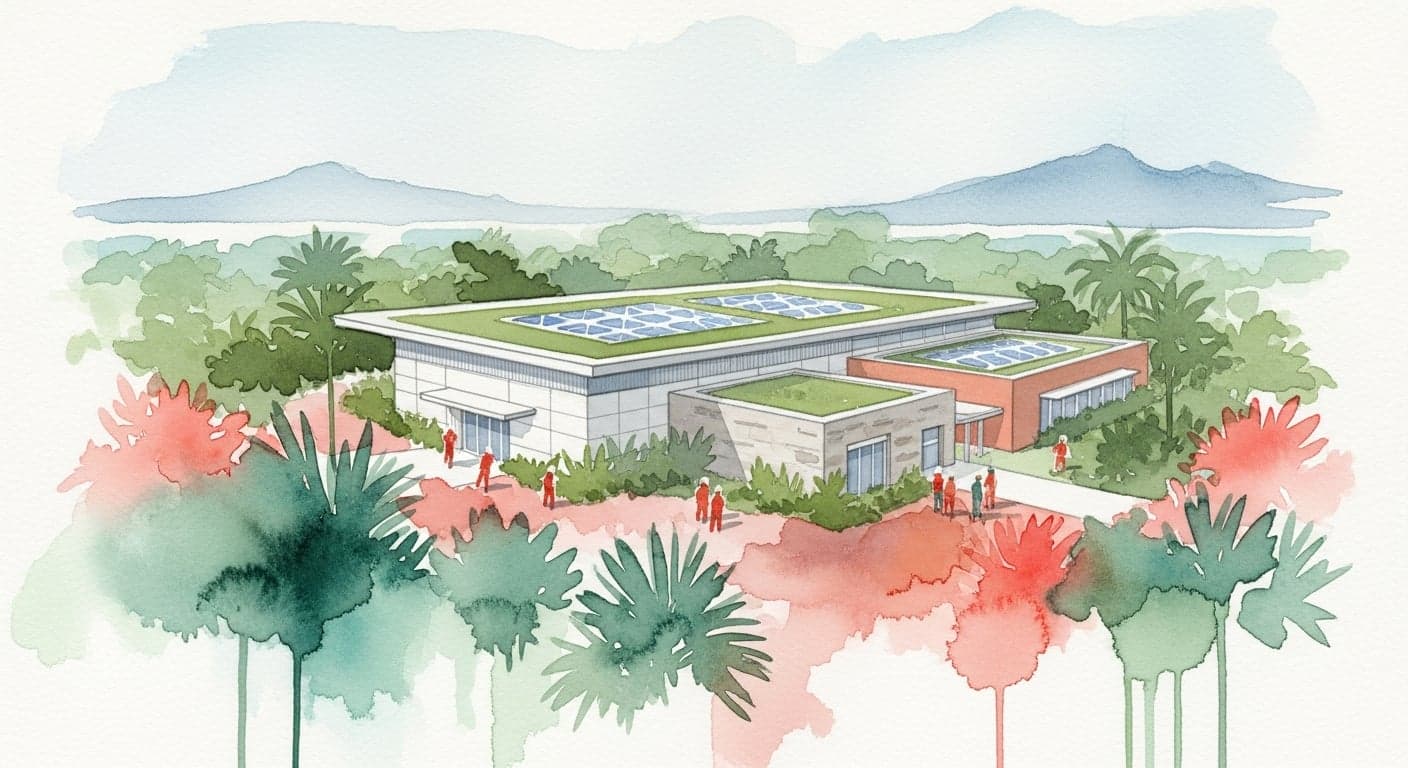
Infrastructure Gaps
Despite policy intent and growing awareness, waste infrastructure in Bali remains fragmented.
Environmental and Cultural Consequences
The impacts of inadequate waste management are visible and deeply felt.
Rivers and Oceans
Plastic flows directly into the ocean during monsoon seasons
Marine Life
Coral reefs and marine ecosystems damaged by debris
Sacred Spaces
Temple surrounds and ceremonial waterways degraded
Community Health
Open burning releases toxins into neighborhoods

This Crisis Demands Action
The gap between policy vision and on-the-ground execution is where transformational change is required.